Moving to Southend-on-Sea? A Complete Guide to Living in Southend
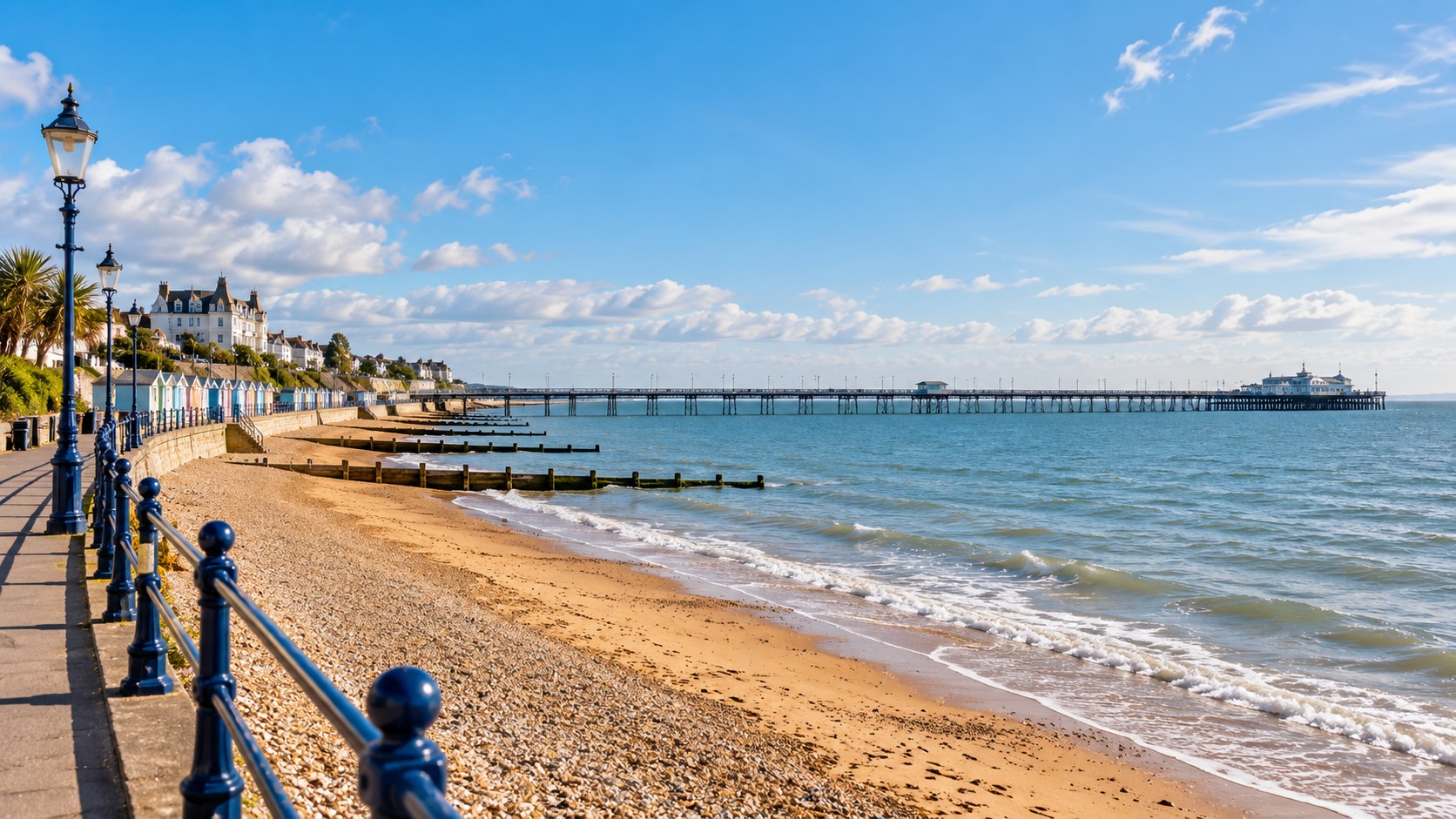
Thinking about moving to Southend-on-Sea?
For people looking for coastal living while still keeping London within commuting distance, Southend offers something quite different from many of the other towns around the capital.
This Essex city combines a long coastline, beaches, parks, family attractions and residential neighbourhoods with direct rail connections into London. Some parts feel lively and urban, while others offer quieter streets, larger family homes and easy access to the seafront.
Whether you are considering Southend for the commute, the lifestyle or simply the opportunity to live closer to the sea, here is what you should know before making the move.
Where is Southend-on-Sea?
Southend-on-Sea is a coastal city in Essex, sitting on the northern side of the Thames Estuary.
It is located east of London and includes a number of distinctive neighbourhoods and coastal areas, including Westcliff-on-Sea, Chalkwell, Southchurch, Thorpe Bay and Shoeburyness.
Leigh-on-Sea sits towards the western side of the wider Southend area and is particularly popular with people looking for a coastal community feel alongside good transport connections.
Southend's main postcode districts include SS0, SS1, SS2 and SS3, with nearby Leigh-on-Sea largely covered by SS9.
One of the area's defining features is its coastline. Southend has around seven miles of it, ranging from busy central beaches to quieter stretches further east and west.
Why move to Southend-on-Sea?
Southend appeals to a wide range of people.
Some move for the coast.
Others move because property can offer better value than many parts of London and Hertfordshire.
And for commuters, having direct train routes into London makes living by the sea more realistic than it might initially sound.
The city also offers much more than the traditional image of amusement arcades and summer day trips.
Beyond the central seafront are established residential neighbourhoods, parks, schools, shopping areas, restaurants, theatres and quieter beaches.
That variety means choosing the right part of Southend is especially important.
Best areas to live in Southend-on-Sea
Southend covers a relatively large area, and different neighbourhoods can offer very different lifestyles.
Someone looking for a lively seafront apartment may choose somewhere completely different from a family prioritising schools, space and quieter streets.
Leigh-on-Sea – SS9
Leigh-on-Sea is one of the most popular areas around Southend.
It is known for its independent shops, restaurants, cafés and Old Leigh, where historic fishing cottages and pubs sit close to the waterfront.
The area has a strong community feel and is particularly attractive to families, professionals and people moving out of London.
Leigh also has its own railway station on the c2c line, making commuting towards London convenient.
Properties here can command a premium compared with some other parts of the Southend area, particularly around sought-after streets close to the Broadway and station.
Chalkwell – SS0
Chalkwell sits between Leigh-on-Sea and Westcliff and is another popular choice for commuters and families.
It has its own c2c railway station, access to Chalkwell Beach and nearby Chalkwell Park.
Housing ranges from flats and period properties to larger family homes.
Its position gives residents relatively easy access to both Leigh and central Southend while still having its own neighbourhood identity.
Westcliff-on-Sea – SS0
Westcliff is a large residential area west of central Southend.
It offers a mix of apartments, Victorian and Edwardian properties, terraces and family homes.
There is direct access to the seafront, while Westcliff railway station provides services towards London.
The area is also home to the Cliffs Pavilion, one of Southend's main theatres and entertainment venues.
Westcliff can be a good area to explore if you want to remain close to the centre and coast while having a wider range of property options.
Central Southend – SS1 and SS2
Living centrally puts you close to the High Street, seafront, Southend Pier and the city's main attractions.
There are plenty of flats and apartments in and around the centre, alongside older terraces and residential streets as you move away from the busiest areas.
Southend Central station provides c2c services towards London, while Southend Victoria offers another route into the capital.
Central living may suit people who want amenities and transport within walking distance, although it is naturally busier than more suburban parts of the city.
Southchurch – SS1 and SS2
Southchurch lies east of the city centre and offers a more residential environment while remaining close to central Southend.
The area includes a mix of traditional terraces, semi-detached homes and family properties.
Southchurch Park provides useful green space, while Southend East station makes the area practical for commuters using the c2c line.
It can work well for people who want easier access to the centre without actually living in the busiest part of Southend.
Thorpe Bay – SS1
Thorpe Bay is one of Southend's more sought-after residential areas.
It is particularly known for larger family homes, quieter streets and easy access to the coast.
The area has its own railway station and is popular with families and commuters looking for a more residential environment.
Property prices can be higher here than in many other parts of Southend, especially for larger homes close to the seafront.
Shoeburyness – SS3
Shoeburyness sits at the eastern end of Southend.
It offers beaches, open spaces and a noticeably quieter feel than the central seafront.
Shoeburyness railway station is the eastern terminus of the c2c line, providing direct services towards London.
For buyers wanting more space, coastal walks and a less central location, Shoeburyness is worth considering.
Nearby East Beach and Gunners Park add to the area's appeal for people who enjoy being outdoors.
Property prices in Southend-on-Sea
One of the reasons Southend attracts buyers moving out of London is that property can offer better value than many commuter areas closer to the capital.
However, Southend is not one uniform property market.
Prices can vary considerably depending on whether you are looking in central Southend, Westcliff, Thorpe Bay, Shoeburyness or towards Leigh-on-Sea.
Generally, sought-after areas such as Leigh-on-Sea and Thorpe Bay tend to command higher prices, while other parts of Southend may offer more affordable options for first-time buyers, families and people looking for more space.
Things that can influence the price include:
Distance from a railway station
Proximity to the seafront
School catchment areas
Parking
Garden size
Property type
Condition of the property
Access to local shops and amenities
If you are moving with children, it is also worth researching school admissions and the exact street rather than focusing only on the postcode.
For the most up-to-date property prices, check recent sold-price data before making an offer.
Commuting from Southend to London
Southend has a major advantage for commuters: there is more than one rail route into London.
Southend Central to London
Southend Central is served by c2c.
The route travels through stations including Westcliff, Chalkwell, Leigh-on-Sea, Benfleet, Basildon, Upminster, Barking and West Ham before reaching London Fenchurch Street.
This makes areas along the western side of Southend particularly attractive to commuters.
Southend Victoria to London Liverpool Street
Southend Victoria provides another direct London route, operated by Greater Anglia.
Services run towards London Liverpool Street, giving commuters an alternative depending on where they work in the capital.
Having two different London routes is useful because the most convenient station may depend on both where you live in Southend and where your workplace is in London.
When comparing properties, look at the complete journey rather than simply the train time.
A home within walking distance of the right station could make a significant difference to your daily routine.
Driving from Southend
Southend is connected towards London and the wider road network primarily through the A127 and A13 corridors.
Driving can be useful for travelling around Essex and to surrounding towns, although traffic can become heavy at peak times and during busy summer weekends.
If you expect to commute by car, it is worth testing your usual route during the hours you would actually travel.
Schools in Southend-on-Sea
Families moving to Southend have a wide choice of primary and secondary schools.
The city has both comprehensive schools and selective grammar schools, making school research particularly important before choosing where to live.
Southend's secondary options include well-known schools such as:
Southend High School for Boys
Southend High School for Girls
Westcliff High School for Boys
Westcliff High School for Girls
Shoeburyness High School
The Eastwood Academy
There are also many primary schools spread across the city.
Some schools have catchment areas while others have different admissions criteria, so never assume that living nearby automatically guarantees a place.
If schools are one of the main reasons behind your move, check the latest admissions information and catchment details for the exact address you are considering.
Southend's coastline and beaches
The coast is obviously one of Southend's biggest lifestyle advantages.
The city has around seven miles of coastline, with different beaches offering very different experiences.
Closer to the centre you will find the livelier seafront and attractions.
Further away, areas such as Chalkwell, Thorpe Bay and Shoeburyness provide quieter options.
Some of the main beaches include:
Chalkwell Beach
Westcliff Beach
Jubilee Beach
Thorpe Bay Beach
Shoebury East Beach
Shoebury Common
Bell Wharf Beach in Leigh-on-Sea
Being able to walk along the coast after work or spend summer weekends by the water is one of the biggest differences between living in Southend and many other commuter locations.
Southend Pier
Southend's most famous landmark is undoubtedly Southend Pier.
Stretching approximately 1.33 miles, it is recognised as the world's longest pleasure pier.
Visitors can either walk along the pier or use the pier railway.
It may be primarily considered a tourist attraction, but for residents it is also part of the city's identity and one of many places that make living on the coast feel different from living further inland.
Shopping in Southend
Southend city centre provides the main concentration of high-street shops and everyday services.
There are also neighbourhood shopping areas spread throughout the city.
Leigh Broadway is particularly known for independent shops, boutiques, cafés and restaurants, while local centres in places such as Westcliff, Thorpe Bay and Shoeburyness provide everyday amenities closer to home.
For larger retail trips, there are also retail parks and shopping destinations elsewhere in south Essex.
Cafés, restaurants and eating out
Southend has a varied food scene.
The central seafront naturally has plenty of casual restaurants, cafés and traditional seaside options, but there is much more beyond that.
Leigh-on-Sea is particularly popular for independent cafés, restaurants and pubs.
Westcliff and central Southend also offer a wide selection, while Old Leigh is a favourite for seafood, waterside pubs and a more traditional coastal atmosphere.
The variety means you do not necessarily need to travel into London for a good choice of restaurants and evenings out.
Parks and green spaces
Southend isn't only about the beach.
There are a number of parks and open spaces around the city.
These include areas such as:
Chalkwell Park
Priory Park
Southchurch Park
Gunners Park
Shoebury Common
Gunners Park is particularly attractive for walking and wildlife, while Southchurch Park offers formal gardens, sports facilities, a children's play area and a boating lake.
Having both coastline and traditional parks nearby gives families plenty of options for getting outdoors.
Things to do in Southend
Living in Southend means having many of the attractions people normally visit for a day trip practically on your doorstep.
Popular places and activities include:
Walking along Southend Pier
Visiting the beaches
Adventure Island
Sealife Adventure
Cliffs Pavilion
Museums and galleries
Old Leigh
Seafront walks
Parks and nature reserves
Seasonal events and fireworks
Restaurants and cafés along the coast
This can be particularly appealing to families because there is plenty to do locally without planning a major day out every weekend.
Is Southend good for families?
Southend can work very well for families, particularly if you choose the neighbourhood carefully.
Families can benefit from:
A large choice of schools
Beaches and coastline
Parks and playgrounds
Family attractions
Residential neighbourhoods
Direct train links into London
A wide range of property types
Local sports and activities
Areas such as Leigh-on-Sea, Chalkwell, Thorpe Bay, Southchurch and parts of Shoeburyness are often considered by families because they combine residential streets with access to local amenities.
As always, the right area depends on your budget, school requirements and commute.
Is Southend good for commuters?
For many people, yes.
Southend offers direct rail services towards both London Fenchurch Street and London Liverpool Street, depending on which station and route you use.
That makes the city particularly interesting for people who want coastal living but still need regular access to London.
Hybrid working can make this even more attractive.
Commuting from Southend five days a week may feel very different from travelling into London only two or three days a week.
Before moving, test the actual door-to-door journey from the property you are considering.
What is it like living in Southend?
Southend is difficult to describe as one single type of place because the city changes significantly from one neighbourhood to another.
Central Southend feels lively, busy and distinctly seaside.
Leigh-on-Sea has a more independent, village-like atmosphere in parts.
Thorpe Bay feels more residential.
Shoeburyness provides easier access to quieter beaches and open spaces.
Westcliff and Chalkwell sit somewhere between the city centre and Leigh, giving residents access to both.
That variety can be one of Southend's biggest strengths because buyers have several different lifestyles to choose from within the same wider area.
Are there any downsides to living in Southend?
As with any location, there are compromises.
Busy summers
The seafront attracts large numbers of visitors during warm weekends and school holidays.
If you live close to the central seafront, traffic and parking can become noticeably busier.
Commuting distance
Southend is commutable to London, but it is still some distance from the capital.
If you need to travel into London every day, the total journey and season-ticket costs should be considered carefully.
Different neighbourhoods vary considerably
Southend changes quickly from street to street in some areas.
Spend time exploring the immediate surroundings of any property rather than making a decision based solely on the general neighbourhood name.
Coastal maintenance
Living close to the sea can mean greater exposure to wind, salt and weather, which can affect properties, gardens and vehicles over time.
Property prices vary widely
Although Southend can offer better value than many places closer to London, sought-after areas such as Leigh-on-Sea and Thorpe Bay can still be expensive.
Southend-on-Sea at a glance
County: Essex
Status: City
Main postcodes: SS0, SS1, SS2 and SS3
London connections: Direct trains towards London Fenchurch Street and London Liverpool Street
Coastline: Around seven miles
Known for: Southend Pier, beaches, seafront attractions and coastal living
Popular with: Families, London commuters, first-time buyers and people looking for a coastal lifestyle
Things to check before moving to Southend
Found a property you like?
Before making your final decision, check:
Walking distance to your nearest station
Which London rail route works best for you
School catchment and admissions information
Parking availability
Council tax band
Broadband availability
Mobile coverage
Flood-risk information
Nearby planning applications
Traffic during rush hour
Summer traffic if you are close to the seafront
Distance to supermarkets and local services
GP and dentist availability
How the street feels during evenings and weekends
If possible, visit the area at several different times.
A road close to the seafront can feel very different on a quiet winter weekday compared with a sunny Saturday in July.
Moving to Southend-on-Sea?
Finding the property is only one part of moving home.
Once your offer is accepted, there are addresses to change, utilities to organise, meter readings to record, insurance to arrange and boxes to pack.
That's where Movly can help.
Movly brings the different parts of your move together in one place, helping you stay organised before, during and after moving day.
With Movly you can:
Create and manage your moving checklist
Set reminders
Share tasks with your partner or household
Organise and track moving boxes
Keep your address changes organised
Record meter readings
Explore useful information about your new area
Compare broadband and utilities
Access services designed to make moving easier
Instead of spreading your move across notes, screenshots, messages and pieces of paper, you can manage it from one place.
Moving to Southend-on-Sea? Make your move easier with Movly.
Available on iPhone and Android.
Exploring other places to live?
Still deciding where your next home should be?
You may also like our guides to other commuter towns and cities across Hertfordshire and the South East.
Comparing several different locations can help you decide whether your priority is commuting, schools, property prices, access to the coast, green space or simply finding somewhere that feels right for you.
References
Visit Southend - Southend Pier, beaches, attractions, parks and local information - https://www.visitsouthend.co.uk/
Rightmove - House Prices in Southend-on-Sea- https://www.rightmove.co.uk/house-prices/southend-on-sea.html
Southend-on-Sea City Council - School Admissions - https://www.southend.gov.uk/admissions
Greater Anglia - Southend Victoria to London Liverpool Street - https://www.greateranglia.co.uk/train-times/southend-victoria-to-london-liverpool-street
c2c - Rail services between Southend, surrounding stations and London Fenchurch Street - https://www.c2c-online.co.uk/